Summer brings longer days, outdoor adventures, and plenty of sunshine, but rising temperatures can pose serious risks for our pets. While we’re enjoying the season, it’s important to remember that dogs and cats can quickly become overheated or dehydrated in the summer heat. Practicing good summer pet safety by making sure your pet has constant access to water, shade, and a cool resting place can make all the difference. With a few simple precautions, you can enjoy all the fun summer has to offer while keeping your furry companions safe, comfortable, and well-hydrated.
Summer Heat Hazards for Dogs & Cats
Heat poses a few different kinds of risks for pets in Indian Land. Some of the most common include:
Heat Stress
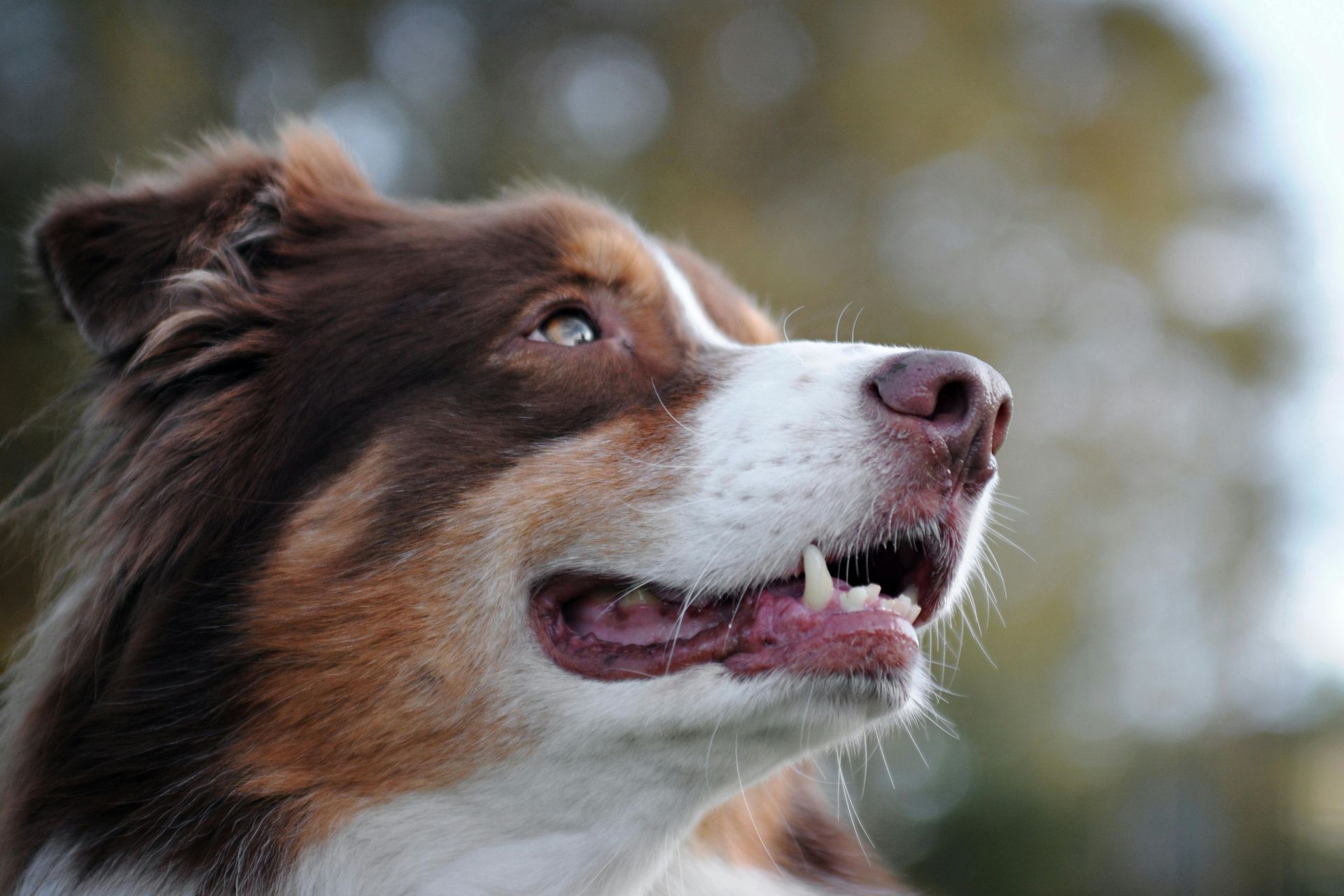
Pets can experience heat stress much faster than humans, especially during the hottest summer months. Dogs and cats rely on limited ways to cool themselves, such as panting or grooming, which means even a short time in extreme heat can become dangerous. Signs of heat stress may include excessive panting, drooling, lethargy, vomiting, or difficulty walking. If you notice any of these symptoms, move your pet to a cool area immediately and offer water.
Heatstroke
Heatstroke is a serious and potentially life-threatening condition that can occur when a pet’s body temperature rises too high. It can develop quickly, especially during outdoor activities or when pets are left in warm environments without proper ventilation. Never leave pets in parked vehicles, even for a short time, as temperatures inside a car can rise rapidly within minutes. Signs of heatstroke may include heavy panting, disorientation, collapse, or seizures. If these symptoms appear, seek veterinary care right away.
Paw Pad Burns
Hot pavement, sand, and sidewalks can easily burn sensitive paw pads during the summer months. If the ground feels too hot for your hand, it is too hot for your pet’s paws. Walking dogs during cooler parts of the day, such as early morning or evening, is an important part of dog heat protection. Whenever possible, stick to grassy or shaded areas to help prevent burns.
Sunburn
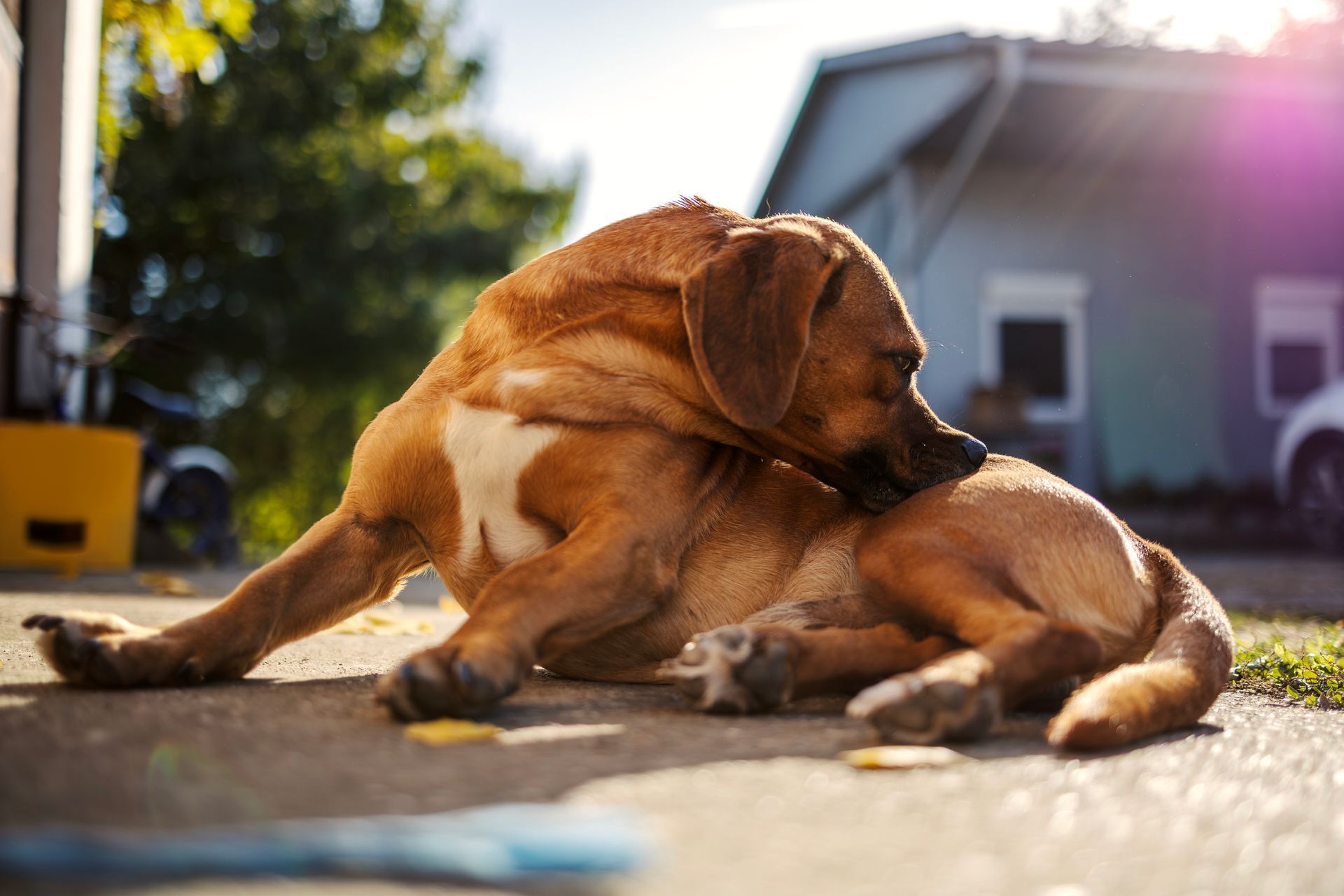
Just like people, pets can get sunburned, especially those with short or thin coats. Areas with less fur coverage, like the nose, ears, and belly, are particularly vulnerable. Limiting prolonged sun exposure and providing shaded areas outdoors can help reduce the risk of sunburn.
Keeping Pets Cool in the Summer
While it can be easy for our furry friends to overheat in the summer, there are plenty of ways to ensure they stay cool. These include:
Cat Summer Safety
Cats often seek cool surfaces to rest on, but they still need support staying comfortable in hot weather. Make sure your cat always has access to water and a shaded, well-ventilated indoor space. Cooling mats, tiled floors, and automatic water fountains can help encourage hydration, and keep cats comfortable during the hottest days.
Dog Heat Protection
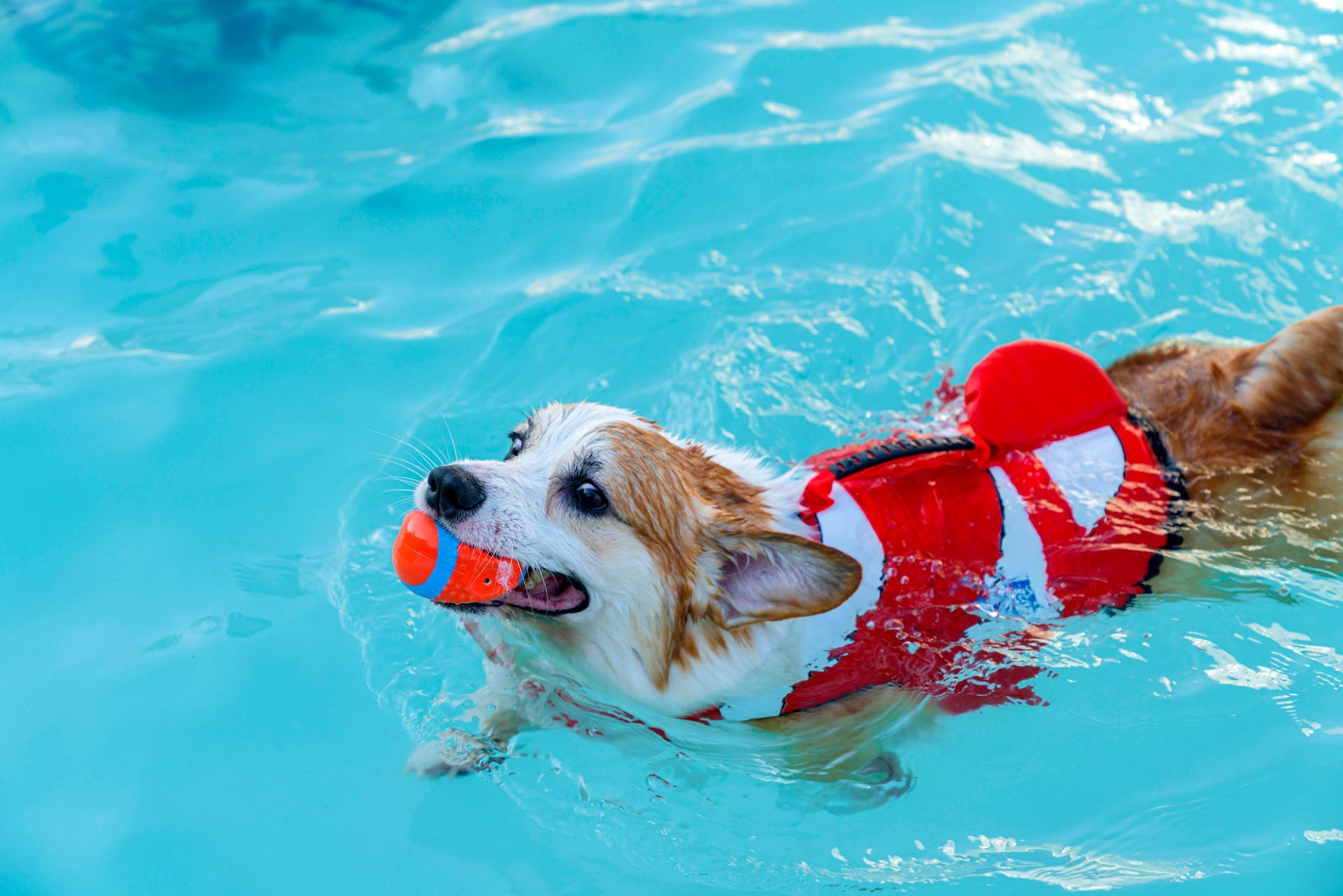
Dogs benefit from regular access to shade, water, and breaks from the heat during outdoor activities. Walks should be scheduled during cooler hours of the day, and playtime should include plenty of rest and hydration. Kiddie pools, cooling mats, and shaded resting spots can also help dogs regulate their body temperature during hot summer days.
Pet Hydration Tips
Proper hydration plays a key role in summer pet safety. These simple pet hydration tips can help keep your dog or cat healthy during hot weather:
- Always provide fresh, clean water and refill bowls frequently throughout the day.
- Place multiple water bowls around your home so pets always have easy access.
- When spending time outdoors,
bring a portable water bowl or pet water bottle for quick hydration breaks.
- Add ice cubes to water bowls to help keep water cool during hot days.
- Offer pet-safe frozen treats, such as ice cubes made with low-sodium broth, for a refreshing and hydrating snack.
- Make sure outdoor pets have
constant access to shade and water, especially during peak heat hours.
- Watch for signs of dehydration, including dry gums, excessive panting, and reduced appetite.
- Keep bowls clean and in shaded areas so water stays fresh longer.
- After walks or playtime,
allow pets to rest and rehydrate before returning to activity.
Protecting Your Pets All Summer Long
Summer can be a wonderful season for spending time outdoors with our pets, but warmer temperatures also bring increased health risks. Being able to recognize early warning signs, prevent overheating, and respond quickly if problems arise can make a critical difference in your pet’s safety. By following simple summer pet safety practices and monitoring your pet’s hydration and activity levels, you can help ensure they stay happy and healthy throughout the season.
If you ever have concerns about your pet’s health during extreme heat, the team atEdgewater Animal Hospital is here to help. Our veterinary professionals are committed to supporting your pet’s well-being all year long, and can provide guidance on keeping your dog or cat safe during the hottest months of the year.